Select Page

The Jura Project

A decade or so back, alongside a burgeoning academic career in a Media and Cultural Research centre as well as a fair bit of international travel giving keynote speeches at music industry events around the world, I’d also found some time to establish myself as something of a whisky writer.

As the son of a Scot, I imagined I was genetically pre-disposed – and while not an expert, I was an enthusiastic learner, and my journey of discovery provided the way in for the casual reader.

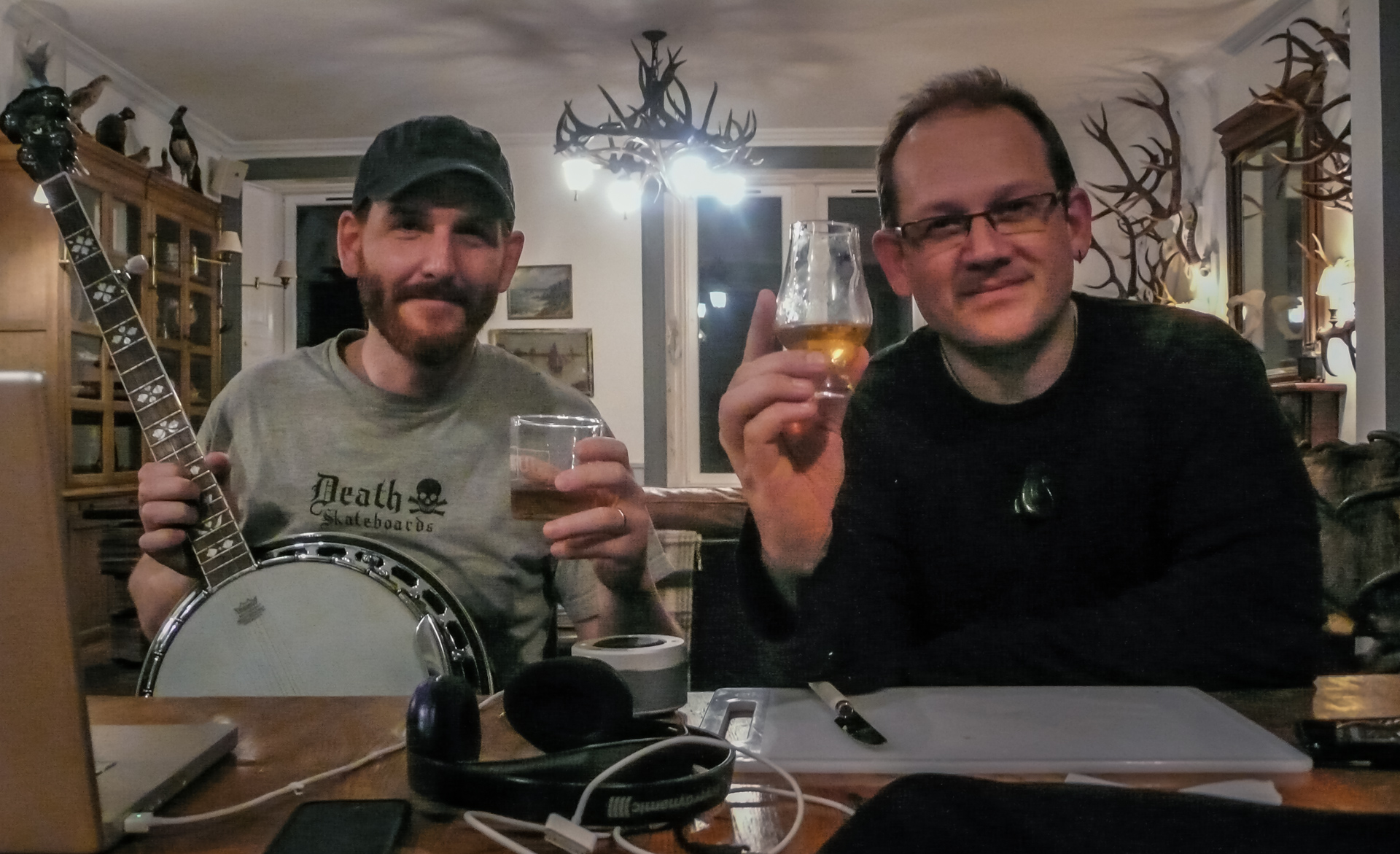
My friend Clutch, on the other hand, was the one with the deep knowledge and developed palate, and so it was a great double act. He’s the real deal: a Scottish composer who’d grown up surrounded by distilleries – and together (imaginatively branded ‘Dubber and Clutch‘) we established something of a reputation in the industry as “the whisky writers who use the internet”.

We ran online live tastings on Twitter (@Twhisky, naturally), blogged fairly extensively and operated in a far more digitally native and online narrative-led manner than was usual in the somewhat traditional world of whisky critique.

The fact that music also played a key part in what we did was of interest to a lot of the distillers and whisky companies. Alongside the tastings, distillery tours and writing, there was also some discussion of ways to incorporate our musical endeavours. In particular, there was a conversation with one distillery about a book project that paired albums with drams, which sadly didn’t come to pass (though of course I’m still open to the idea).

But there was one really interesting music and whisky project we were really pleased to get off the ground, and it was one that ticked an awful lot of my boxes: musical experimentation, innovation and media, culture and community, excellent whisky – and the opportunity to do something that would be of actual help.

The marketing manager of Whyte & Mackay had approached us because there was something of a crisis on the Isle of Jura – a small island off the West coast of the Scottish mainland with a population of 200 people, 6000 deer and a whisky distillery (theirs), which provided the main source of both employment and local pride. Funding had recently been pulled for the ferry service to the mainland which connected workers, their families, school children and visitors to the island, threatening both its economy and the Diurachs’ way of life*.

Clutch and I pitched a project idea in which we would travel to the island, stay in the famous Jura Lodge for a week or so, and in order to raise awareness and perhaps even some money toward the cause, Clutch would create and release a piece of music inspired by the island, its geography, traditions and people, and I would help him document and communicate that as an online ‘vernacular video’ project on a blog, by way of continuing the research I was doing into the communication of music and culture online, given the affordances of the medium.

KLF fans will know Jura as the island where the provocative pop duo burned a million pounds in cash. They may also be interested to know that my bedroom for the week at the lodge was officially designated ‘The White Room‘ – presumably the namesake of the famous album.

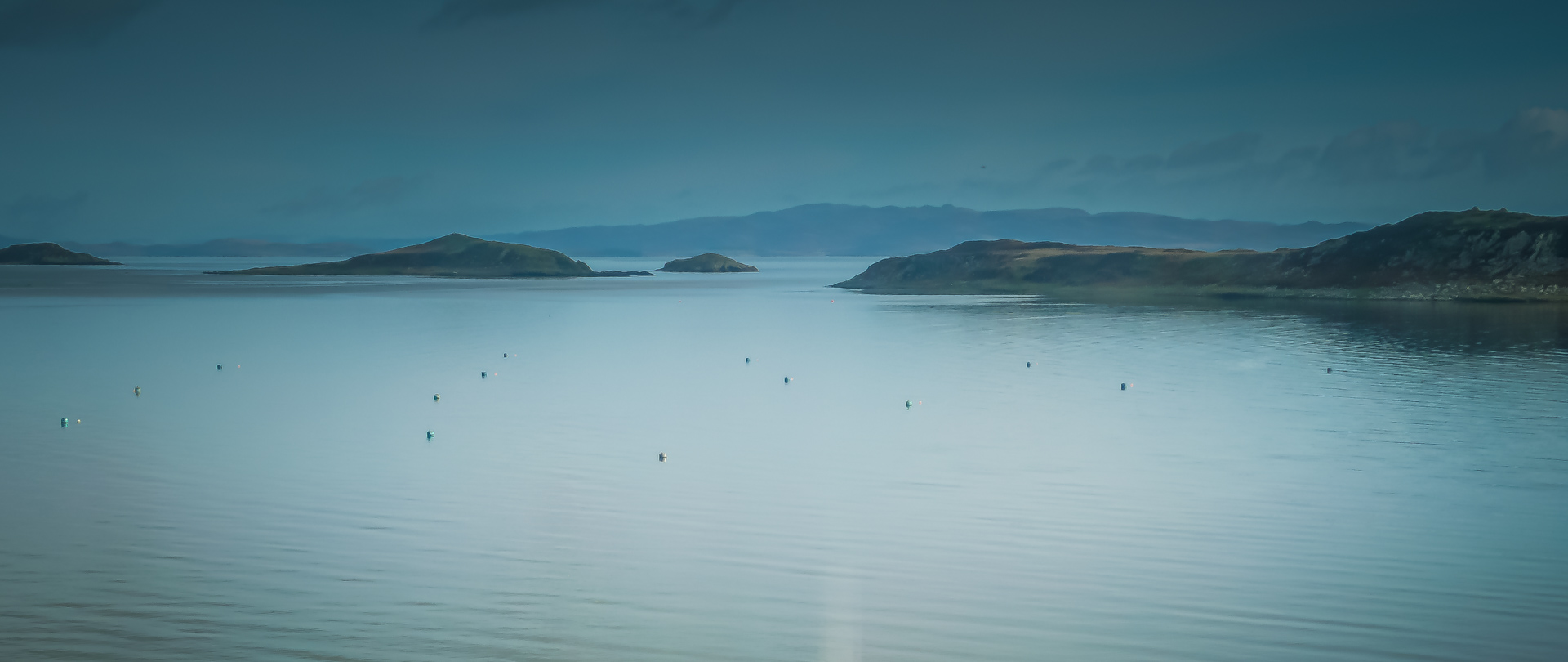
At around 10am on our first morning on the island, Clutch looked out the window from the stairwell, across the bay – and saw what you can make out in the picture at the top of this post: an array of buoys marking, we suspected, lobster traps or similar.

He called me over to point it out, and asked me (as I’m asking you now) to imagine five horizontal lines, with the buoys marking out a melody on a stave. I took the photo, he transposed it to some digital music production software, and we were off.

*Inhabitants of Jura are known as Diurachs.

The island itself providing the actual notation for the initial starting point was not only an organic and useful springboard into musical composition, but also a great focal point for the introduction to the conversation around the ‘social objects’ being created for the online research project.

I recorded interviews with Clutch as he went about his process – my working theory being that the story of the creative process would lead people to an interest in the finished piece, and that proved to be the case.

We received a lot of feedback on Twitter from people commenting on the music, the island, their love of the whisky and all manner of other peripherally related things, using these images, photographs and blog posts as starting points.

Sidebar: It’s incredible to remember just how different the internet and social media realm was 10 years ago. At the time, at least for me, the most top-of-mind, most convenient and perhaps even most widely used casual blogging platform, other than Tumblr (which is barely holding on by a thread these days), was the much lamented Posterous. It had the advantage of providing a blog that could accommodate all manner of rich media, and you posted simply by sending an email. I must have had a dozen different projects on Posterous, none of which now exist online after the whole thing was shut down in 2012 after being acquired by Twitter.

Clutch had a variety of musical instruments with him, as well as a laptop packed with recording software and some outboard equipment. The project required concentrated effort on his part to write the music, perform and record it and his process was to build it up in layers, edit and refine as he went, taking away almost as much as he was putting in.

Even so, there were several trips on the island’s solitary road to take in the scenery, view the deer and visit the locals. The inspiration for the music came from a range of different sources – from the feel of the natural surroundings to the character of the Diurachs* themselves.

To involve the community further, Clutch had the idea of bringing the local school on board. Small Isles Primary school has just 11 students and two classrooms. We met with the teachers, presented the project to the children, then asked them to join us in creating the music.

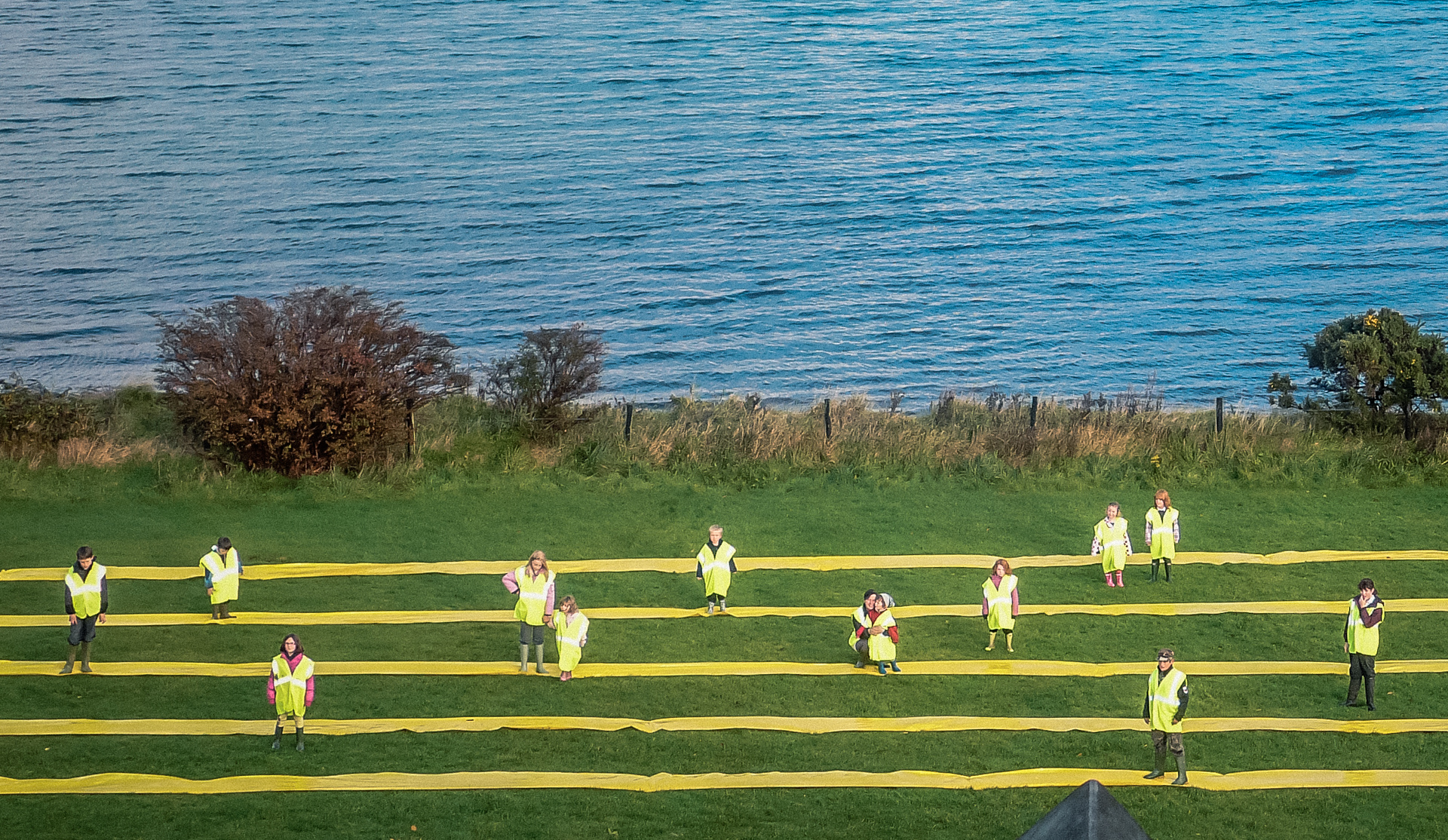
Clutch laid out plastic staves on the ground and directed the children, while I stood unsteadily on the roof of the Jura Hotel, camera in hand.

Like a game of statues, but for musical composition, the children ran around randomly until the call for them to stop was given, where they remained in place and I documented the melody that they created. It went well for a while until they all ended up running off to one side to watch the far more interesting pod of dolphins that had arrived in the bay.
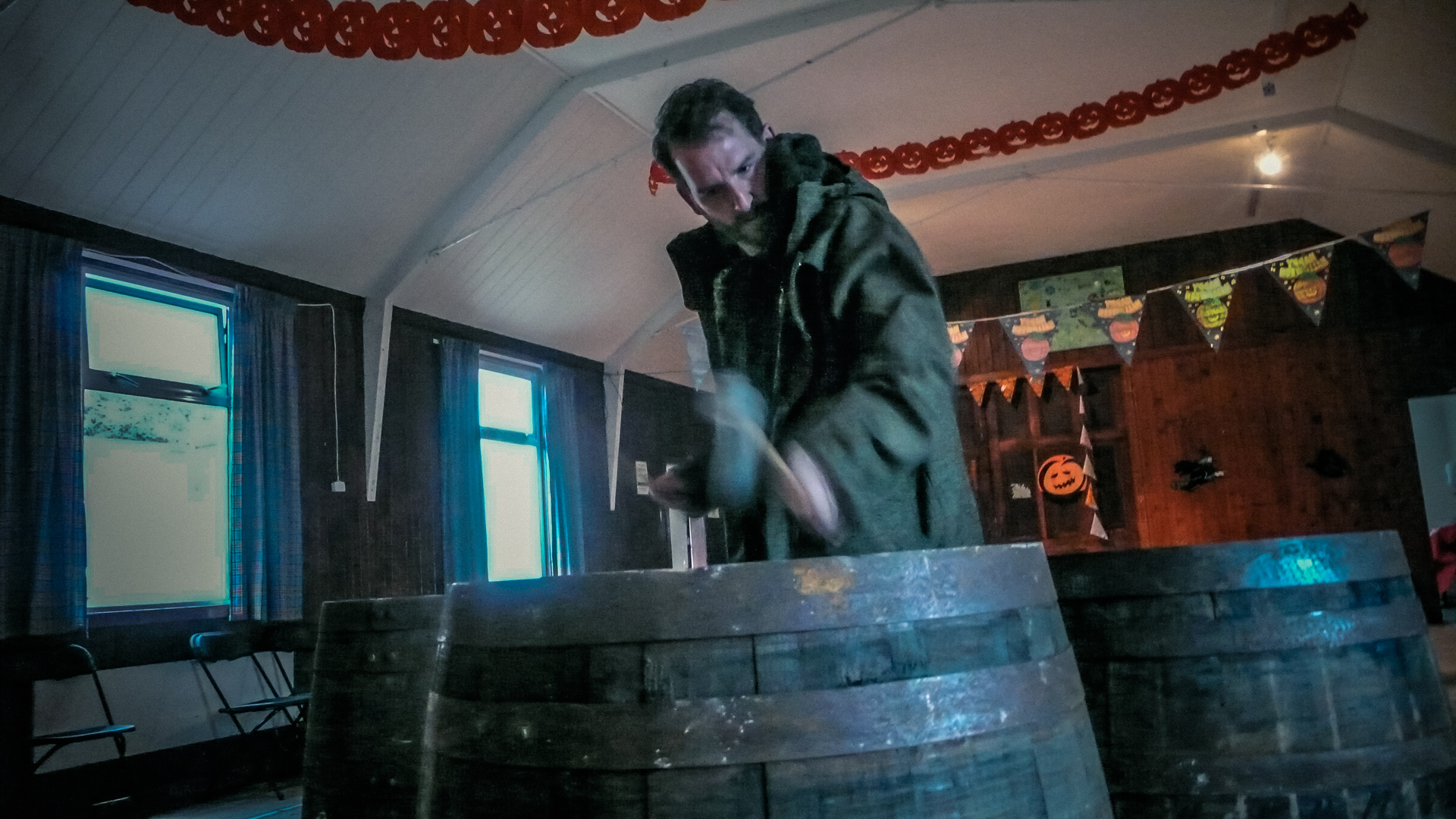
We were not only given the run of the Lodge, the distillery, the hotel and the pub, but also the village hall which was being prepared for a ceilidh. The distillery supplied a few barrels for Clutch to repurpose as percussion, and we asked around to see if there were any local musicians who might be able to contribute.

We learned that not only was there an exceptional Scottish smallpipes player working in the distillery and, perhaps more surprisingly, that the island boasted a recording studio owned and run by Giles Perring with artists visiting from all over the world to create their albums in residence, but also that Sheena Amos, the young barmaid from the hotel who had taken an interest in our work, just happened to also be a classically-trained flautist.

We put all of these ingredients into the mix – both in the online narrative and in the music.
 We finished our stay on Jura with an almost completed track and a really lovely online project with interviews, musical excerpts, scenes from the island and video diary entries. Clutch returned home to complete the vocals for the finished song and I wrote up the results of the research project, as well as a report for the marketing department of Whyte & McKay.

I also cut together a sort of highlights video to accompany a rough mix that Clutch provided me with to conclude the project and released it as we left the island. The music contains percussion played on the whisky barrels, the sound of the school kids stomping and clapping in the village hall, Sheena’s flute, the smallpipes, and everything from an eBow to a banjo. It was written by Clutch in close collaboration with the landscape, the people and the spirit of Jura itself.

The video montage below gives perhaps the best quick overview and insight into our time on the island.

The recording of the final work happened to coincide with the release of a 200-year anniversary of the island’s whisky, and we were very honoured to be offered a special tasting of the extremely limited bicentennial commemorative edition.

Reflecting back on the Jura Project, it’s amazing to think how many mini-adventures happened during our stay on the island. Our almost-visit to the home and writing retreat of George Orwell, the night of the ceilidh itself, which was one of the most joyous events I’ve had the privilege of attending, the Halloween party and the ghost cat at Jura Hotel, the drive to the top of the island, the Fell race (in which neither of us participated, but the runners of which we applauded and cheered), and the tour and tasting with Distillery Manager Willie Cochrane, who was facing one of the distillery’s worst crises since it opened.

Remember that the whole point of the exercise was the discontinued ferry service – limiting the raw ingredients coming into the island, stopping the steady inflow of supplies, preventing cars from accessing or leaving the island, hindering workers and all but preventing the older teens on the island being able to get to their secondary school, which had always been just one boat ride away.

This is another of those projects I plan to one day reconstruct with all of the footage, photography and writing that happened. For now here’s just a taste of what we did.

In the meantime, Clutch is now completing his Masters degree in Music and the Environment at the University of the Highlands – and doing very well.

Slainté.
This post is part of a series about my work and the diverse projects that add up to my career so far.

Ashley’s Worlds

In 1996, I’d recently quit my job as Production Manager at Radio Pacific – a nationwide talkback station in New Zealand. I’d just spent 5 years in a darkened studio making radio commercials, music programmes and documentary features – largely analog tape and razor blade affairs – and I needed a change. I had some recording gear, some good contacts in the industry, a computer with digital audio editing equipment, an answerphone and a fax machine. I was ready to start my own business.

I was also the father of a three year-old son, and as a freelance sound engineer and radio producer, I found myself spending a lot of time at home just reading picture books aloud.

I’d grown up with kids stories on the radio, and had recordings of things like Gossamer Wump, Gerald McBoing-Boing, Flick the Fire Engine, Little Toot, Sparky and the Talking Train – and other, mostly American radio stories for kids from the 1950s.

I pitched the idea of a homegrown kids show for radio syndication to my friend Belinda Todd who was well known in New Zealand as an actor, boundary-pushing late night current affairs television presenter, enormous personality and unfortunate participant in what would become known as The Worst Sitcom Ever Made.

What she was less well known as, but perhaps even more quietly accomplished at, was a writer.

Belinda agreed to script and co-produce a series with me – something we would come to refer to as a ‘cartoon for radio’ with all that implies: a slapstick, fast-moving, brightly coloured comedic extravaganza filled with music cues and zany sound effects.

We called it Ashley’s Worlds.

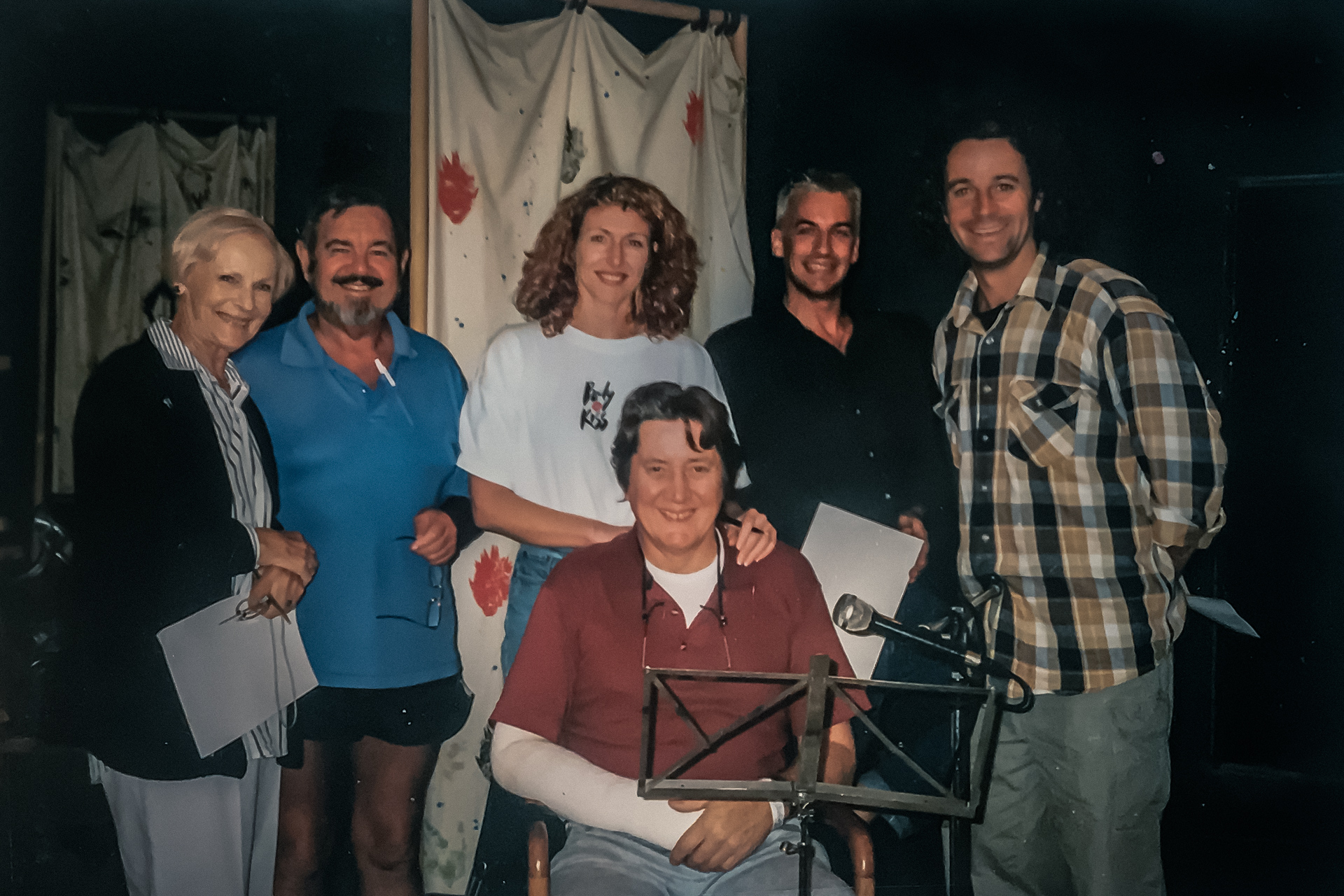
L-R: Beryl Te Wiata (Eternity), Merv Smith (The Strange Old Cat – and most additional characters), Belinda Todd (Tabitha), Craig Parker (Ashley), Carl Bland (Bishop). Seated: David Weatherley (Tobias Pussinbootle the 14th)

With Belinda’s star power and some other exceptional character actors and local celebrities attached to the project, we were able to secure New Zealand On Air funding for 50 episodes – one 3-5 minute show per week for a year. The show went out as part of Buckeroo – a syndicated compilation show for kids that broadcast on Sunday mornings on about 20 radio stations around the country.

It went pretty well: we were given funding for a second series – another year’s worth of episodes. We made 100 in total.

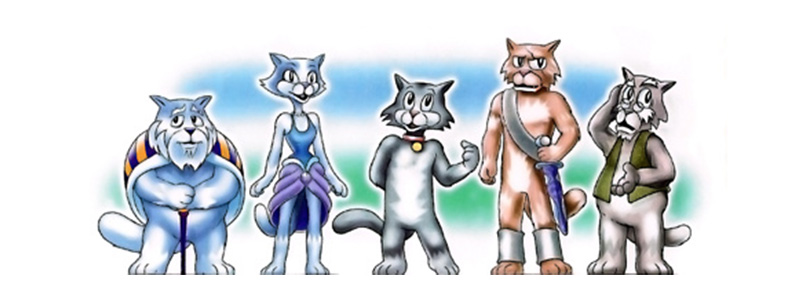
The story itself revolved around an ordinary housecat named Ashley, notable mostly for sleeping a lot and liking things to be comfortable and safe. By way of a magical accident, Ashley is sucked out of the world of humans and into a world of wizards and castles, villains and peril. A world where everyone is a cat – and all of the things familiar to Ashley are utterly unknown.

Of course, Ashley must go on a quest, reverse the spell, put the world back to rights and return to his home – hindered as often as he is helped by his companions: a thug (named Bishop), an eccentric self-styled aristocrat (Tobias), a blind princess (Tabitha), an inept and bewildered old magician (whose true identity is not immediately revealed), and a petulant immortal elder (Eternity).

To say we had a lot of fun with it would be an understatement. Here’s a short taster episode to give you a sense of the whole thing.

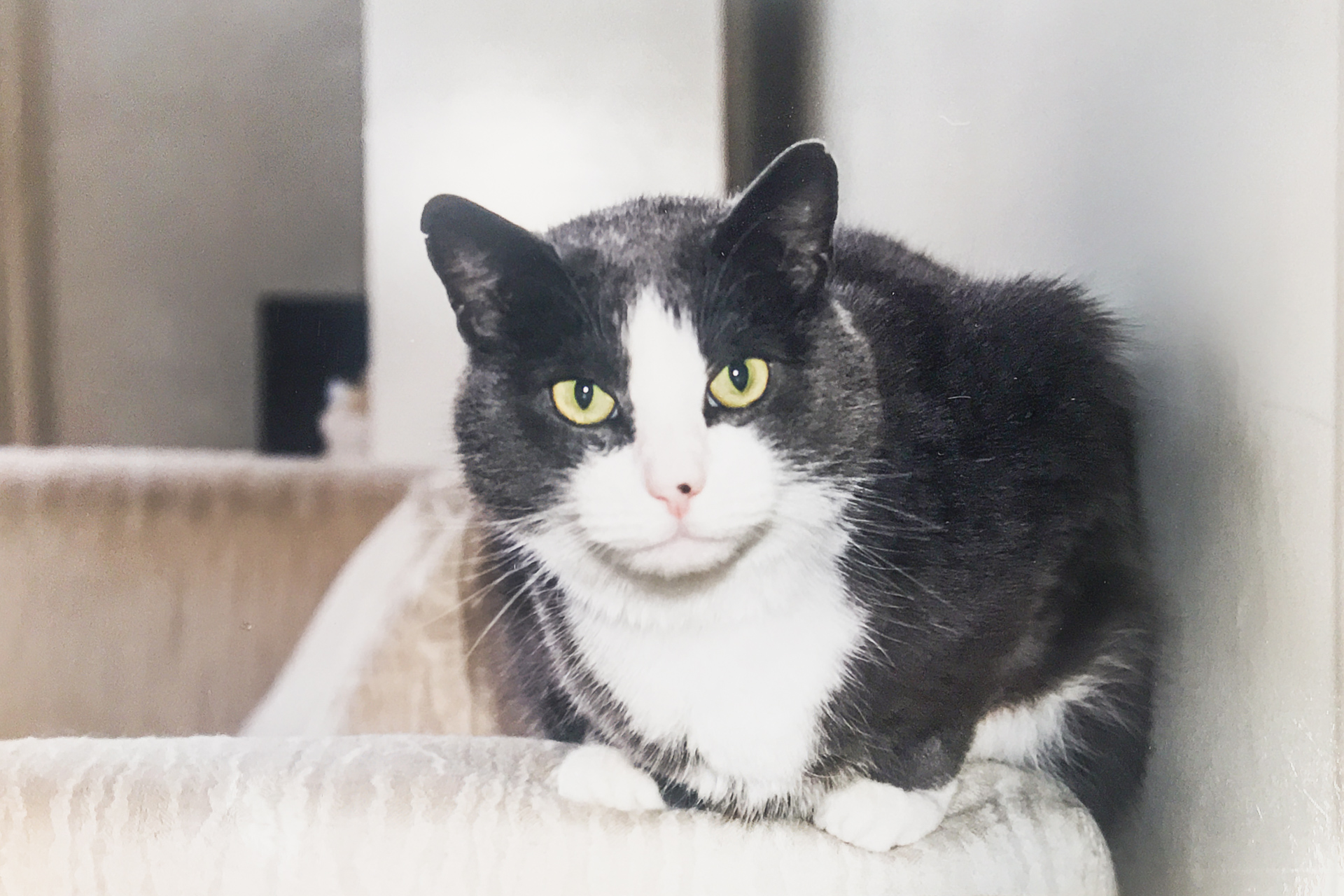
As this entire endeavour was originally devised as a way to entertain my young son, the character of Ashley in Ashley’s Worlds was very closely modelled on our own cat, Ashley, pictured above. Belinda and I discussed other characters and storylines from time to time, but the real work of creating the narrative arc, the dialogue and the comedy was her work entirely.

One of my favourite things about the series was how much the parents who listened to it enjoyed it. It was one of those kids’ shows where there’s enough in there to keep the adults entertained, and the odd gag in there that’s really only for grown-ups.

But the true measure of the show’s success for me was how it stood up to those other classic kids radio stories that Jake was growing up with and loved. The fact that it became a favourite for him made all the difference.

The series was recorded at Progressive Studios in Anzac Ave with the assistance of Tim Gummer and Cameron Fisher. I produced and edited the programme and did the sound design with a good deal of help from the Hannah Barbera sound effects library.

On average, each 4 minute episode took around 16 hours of work – about a quarter of which was the dialogue recording and the rest – digital editing.

If you’re interested in listening to Ashley’s Worlds in its entirety, or you have a child who might be interested in short, episodic cartoons for the ear, you can download the whole thing for free here:

Ashley’s Worlds – Series 1
Ashley’s Worlds – Series 2

This post is part of a series about my work and the diverse projects that add up to my career so far.

Monkey on the Roof

In 2010, I was working as a researcher for a Media and Cultural Studies department at a UK university, and my work was primarily practice-based field research.

That is, rather than sit in a library, read books and conduct a ‘he said, she said’ analysis, I would instead sit in a library, read books and then go out into the world, look at what people do, talk to them about it, engage with it, use what I had read to try and understand how and why they do what they do and then, in order to try and help them do that more successfully, I would run some experiments, observe the results and report on that.

As a researcher, your goal is always to try and generate new knowledge. My own personal objective was always to generate useful new knowledge.

I was of course interested in music innovation, but had realised pretty early on that not all innovation was digital innovation or to do with iPhone apps that would help your band become famous on the internet.

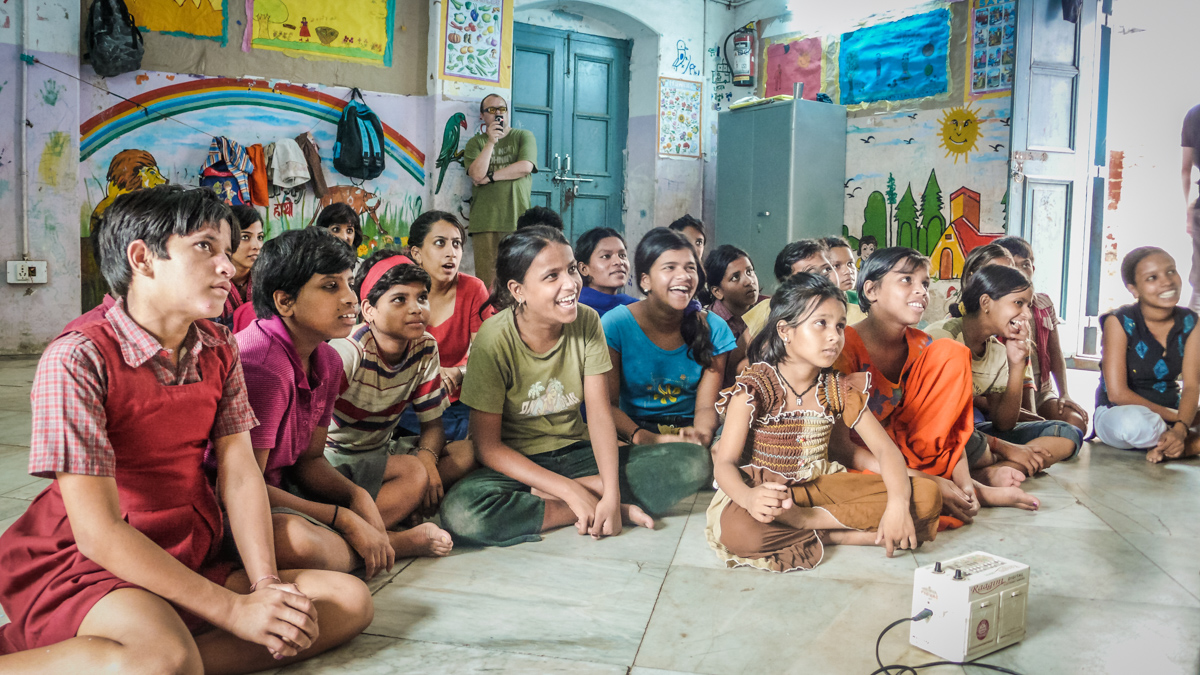
The term ‘social innovation’ had already become something of a buzzword, particularly around the grassroots collectives in the cultural industries in Latin America – of which, more another time. But on a previous visit to India, I had been introduced to a youth-run charity that organised music workshops by professional recording artists in homes for street children – and what they were doing struck me as exactly that: social innovation.

In short, they were using music to radically improve the lives of children affected by extreme poverty, child slavery, and sex trafficking.

Led by Faith Gonsalves, Music Basti provides a structure and curriculum for these music workshops, arranges for the musicians to attend, and invites the children to join. Participation in the sessions is entirely voluntary on behalf of the kids – and the organisers and workshop leaders donate their time.

The workshops mainly involve singing songs, practising scales, counting and clapping beats. But the educational and socialisation benefits for the children go far beyond the musical skills. There are literacy and numeracy outcomes of course. Collaboration and cooperation are also major factors, given that most of these children had spent their lives acting very much alone and learning not to trust anyone.

But what struck me most during my time with Music Basti was that when I spoke to the children about what they got out of the workshops, an answer that came up a lot was that when they sang, people listened to them.

So my idea for the project was to capture the work done by the Music Basti team and document the effects that music education and participation were having on the lives of these children. Not only that, but I thought that it would be a good idea to record the children singing and release it online as an album with the proceeds raised going to help the Music Basti charity.

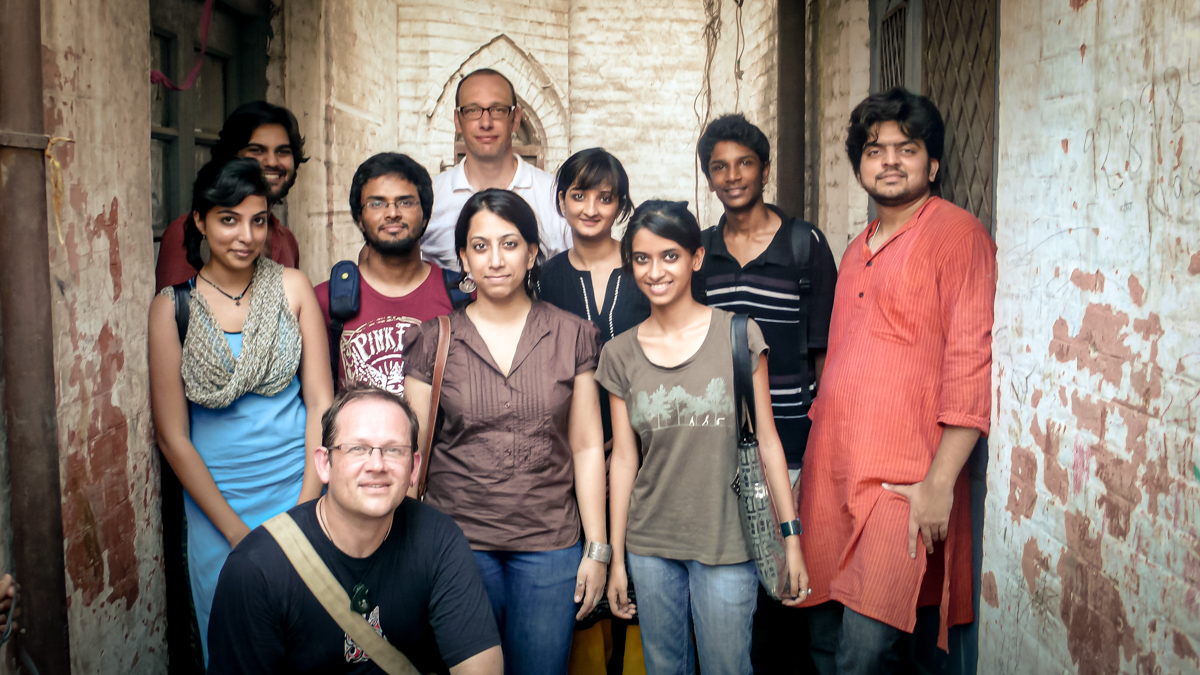
I brought a couple of friends with me to India to make this happen: the award-winning record producer Ian Wallman and my research colleague and fellow ‘music for social change’ advocate, Jez Collins.

There were several reasons to document this. In particular, I thought that the methodology and process established by Music Basti might have some generalisable lessons that could be adapted and applied in other contexts and do a lot of good elsewhere. It was about amplifying what they do.

Fom a research perspective, I’d been working on a group of projects based on a theory of social media communication that used the idea of vernacular social objects. I wanted to capture lots of off-the-cuff video, post it online, share it, and examine the kinds of conversations and social behaviours that form around a narrative like this one.

I was interested in the ways that people might make meaning from digital objects that might be different from how they might read a magazine article or watch a television documentary about the same subject.

So the brief was to point hand-held digital video cameras at whatever seemed to be interesting at the time. There were some interviews with Jez and Ian for context, but most clips were simply actuality – the scene unfolding around us. We would post them online with perhaps a one-line title and a couple of hashtags and follow those connections.

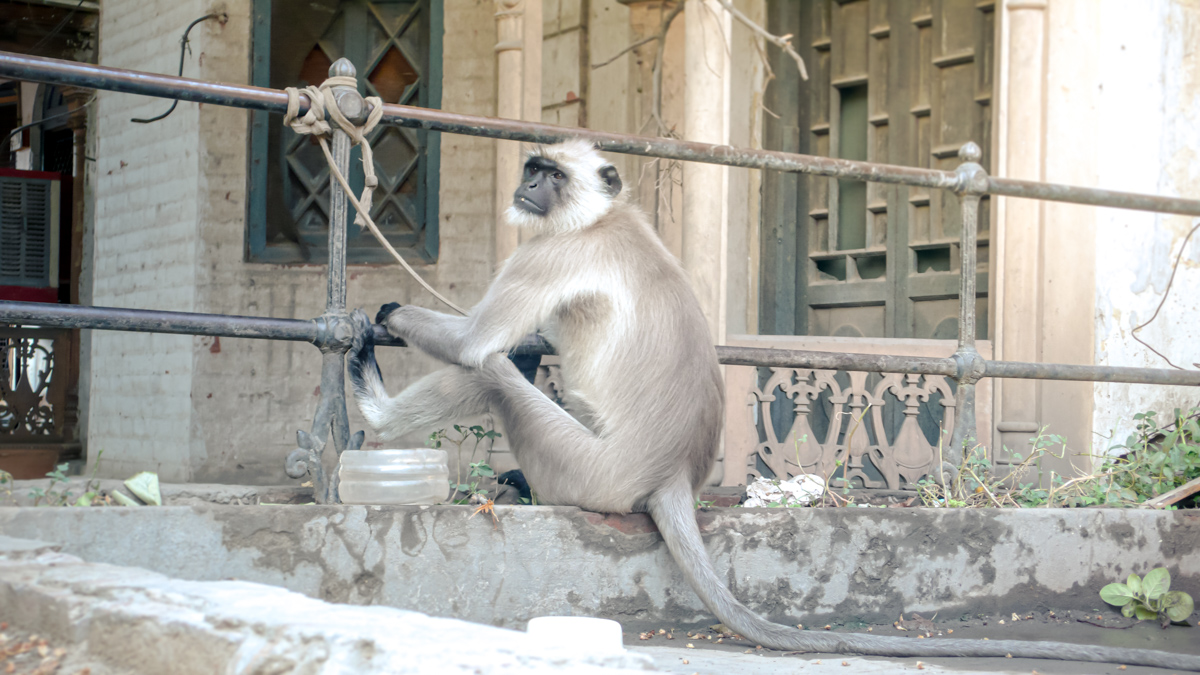
The children were singing kids songs, so the recorded album was aimed at other kids and, more specifically, their parents. I called the resulting album ‘Monkey on the Roof’ because there was one.

The project largely did what it set out to do: I published a peer-reviewed article in an academic journal and the album was released online with the invitation for purchasers to ‘pay what you think it’s worth’.

We created a website and posted all of the video that we took in such a way that people could explore in a non-linear fashion, jumping around the timeline and following their interests. People visited the website and explored, some shared the videos on their social channels and took the conversation elsewhere.

Some people bought the album and the money went to the right people in order to help a worthwhile project.

From the article:

Rather than simply being able to listen to the album in its entirety, audiences are invited to explore a website on which they can also watch the recording of the music, ‘meet’ the participants in the recording project, see the setting for the project and the conditions of the participants, and also engage in the interrelated stories that play out through the web video, blog and photographic content on the website. They will also be able to lift those individual pieces of media from the site, and embed them elsewhere in order to tell their own stories with these social objects should they wish.

In other words, more than simply be an informed music consumer who will be able to tell whether the music is compatible with their own tastes, the listener will be able to add their understanding of the context and meanings behind the recording project, incorporate the elements into their own online conversations and social engagements, and then have the opportunity to pay according to a more nuanced and broad set of values and motivations, including generosity, gratitude, conscience and both intrinsic and extrinsic self-image.

For me the biggest payoffs were working with a fantastic group of committed volunteers trying to make a genuine difference in people’s lives, having the opportunity to contribute to that – and sharing in that experience of these kids having a team of people come all the way from Britain to hear, watch and record them singing.

Monkey on the Roof was the first of my projects focusing specifically on music for social change and that experience was something I wanted to repeat. The website, like so many project websites created a decade ago, is no longer online.

I still have all the videos and photos – and of course the album is still available on Bandcamp for you to listen to and purchase. All of the money still goes directly to Music Basti who are continuing and have expanded upon their brilliant work.

Check out the album here:

My thanks to Faith Gonsalves and the Music Basti team, Jez Collins and Ian Wallman for their brilliant work and good humour, Professor Tim Wall for pulling the right strings to make it happen, Un-Convention and OML for connecting the dots in the first place – and to the kids who were the whole point of the exercise.
This post is part of a series about my work and the diverse projects that add up to my career so far.

Curriculum Vitae – Verbis Pluribus

The subject of my career has been under discussion of late. Not that I have any plans to change it – but rather the conversation has concerned how I might wish to communicate what it is that I do, and that’s something that I have always struggled with.

It came up, among other things, against a backdrop of a different conversation about Wikipedia, what constitutes ‘notable’ and the advantage, in that particular domain, that an accomplished person who is known for a long, sustained and deep involvement in a very narrow field of interest might have over someone who has done a lot of interesting, but perhaps more laterally-connected things.

There was a decent period of my life a while back where I could simply say “I’m a professor” the way you might say I’m a plumber, a programmer or a surgeon. One word jobs have the advantage of satisfactorily and comprehensively answering the single most common superficial line of social questioning. But that one-word response was never a complete or even terribly descriptive summation of what it is I do. Besides, I always find answers that shut down conversations so much less interesting than answers that open them up.

A friend of mine is a highly respected recruiter and human resources executive who worked for many years at one of the largest technology giants on the planet. She once spent some time giving me some feedback about my CV which could essentially be summed up as “no, it’s still far too long – try again”.

Apparently, if you’re looking at page count, one is a good number. Two is acceptable. Your CV is not the movie, it’s the trailer.

But the truth is that for me, a genuine, thoughtful and truthful answer to “what do you do?” will always be more than a list of one-word job titles. More than can fit on a single page.

I did go for a time where I described myself as a ‘generalist’, but that has overtones of someone who dabbles inexpertly in random and unconnected fields. I’d like to think that’s not me, and I would argue that there are a couple of fairly clear and somewhat related threads that connect a lot of what I do in a meaningful way.

I also considered using the phrase ‘portfolio career’, but again, the potential reading of that is someone with either a limited attention span or, worse, limited ongoing suitability as an employee. While I might occasionally be distracted by shiny objects, I do like to think that if it’s me you want in the job, then I am best placed to give you value for money and determined to do so.

The trouble, if trouble is the correct word, is that what I do is never particularly well-described by what my job is, even though it’s always precisely the thing that makes me good at my job.

It might sometimes take some explaining, but the task is always in service of the goal.

But what I do is interesting. And while interesting is one word, it’s not a one-word job title. Interesting is not a sentence. Interesting is always a story. And in this particular case, it’s a series of very many stories that, when taken together, all add up to a coherent narrative.

So, like a Scheherazade for the LinkedIn world, I thought that rather than try and bullet point my career, I would do one of the things that I am, of all the things, most interested in doing: I would tell stories.

Specifically, I would give voice to each of the projects that I have created, undertaken or been involved in that have been interesting to me – in a way that I hope will be interesting to you. These are the things that I have done that you might not necessarily have guessed from what it said on my business card or email signature, but which make up the substance of my career.

I want to chronicle the experiments, adventures and moon shots, not the job titles or position descriptions. Whether that narrative is ‘notable’ will be a question for Wikipedians. My job is simply to try to make it half as interesting to you in the retelling as it was to me going through it at the time.

So what follows is perhaps the longest and one of the most unorthodox CVs you might encounter. Perhaps even the worst. Curriculum Vitae Verbis Pluribus. Too many words. Fortunately, I’m not currently looking for a job.

It involves music, travel, research, media production, writing, technology, culture, policy, broadcasting, consultancy, the odd bit of peril, not a small amount of whisky and always some of the best people you could ever hope to meet – some of whom you’ve heard of, seen on TV or whose records you own.

It’ll be episodic: one project equals one story equals one post – and with any luck, it’ll also be regular. I’ll do my best – though what with one thing and another, predictions about the future are somewhat more fraught than usual right now.

I’ll start with a ‘music for social change’ project I worked on in India with a youth development worker, a record producer, an archivist, some pop musicians and a group of brilliant street kids with big voices. That’ll be the post that follows this one.

But I’ll go back way before then to my career in New Zealand where I’m from, go through my decade in Britain where I’m also from and come right up to the present day with my business, labs and board membership here in Sweden where, these days, I’m from.

Though not, of course, in that order.

Maybe, once this is complete, I will be able to put together a satisfactory CV, each one-line entry an HTML link to a post on this site. That might not exactly constitute ‘two birds with one stone’ – and nor is it exactly in keeping with CV conventions, but it is, at least, tidy and modern, which I guess makes it aptly Scandinavian.

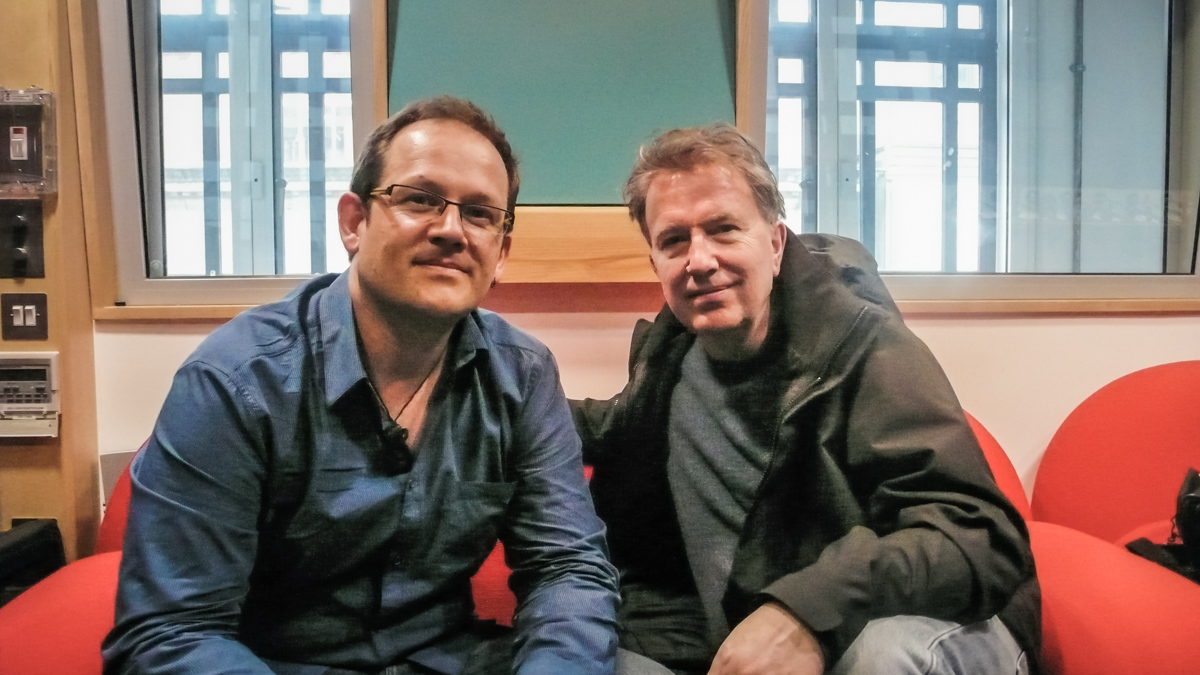
Pictured above: Me with BBC 6Music host and pop music legend Tom Robinson as we were about to lead a London Songwriters weekend event back in 2009. There’s a story in that.

This post is part of a series about my work and the diverse projects that add up to my career so far.

Present Tense

When you find yourself explaining your presents to those assembled to watch you open them, it’s a fairly good indicator that you’re hard to buy for. Either that, or the people who got you the gifts spent a lot of time thinking about exactly what would make you happy and then have gone massively out of their way to go so far above and beyond that you don’t quite know where to put all the emotions.

There’s a fair bit of both at work here. You may know I turned 50 last week.

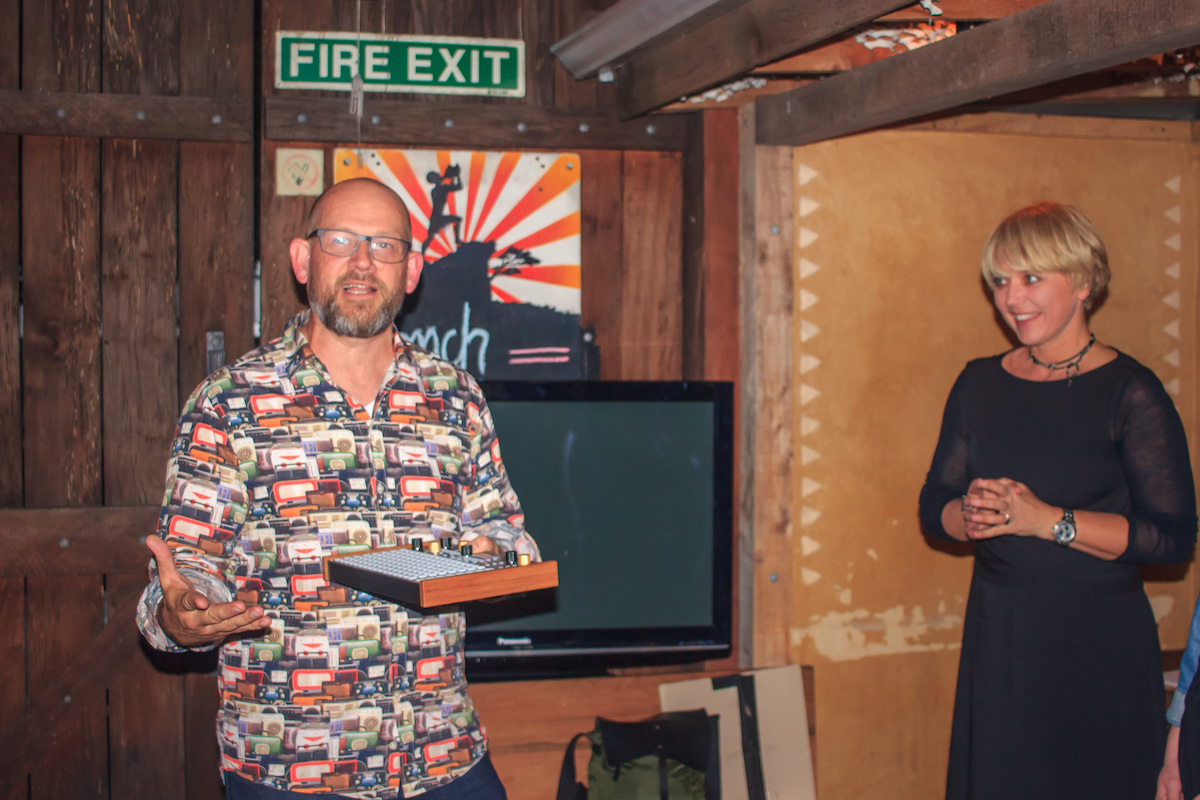
Big present number 1: You see in the photo above me telling my family and a group of my kiwi friends what a Deluge is and why on earth I might want one so much that I recently decided not to attend a showcase demo, because I knew for a fact that I wouldn’t be able to stop myself from buying one and I simply couldn’t justify it. The fact that Michela had already sourced one for me as a gift was something that required a little storytelling.

I’ve played with it now for a few hours and you have no idea how much I love this thing. Though, of course, music technology like this is very much down the pricey end of the gift spectrum.

Big present number 2: My family all pitched in and gave me an artwork I’ve wanted for some time by almost certainly my favourite New Zealand artists Otis Frizzell and Mike Weston. I wear a tattoo on my left shoulder designed by Otis and given to me for my 40th birthday. This decade-later kiwi art gift was a sort of package deal: a limited print that came with a vinyl record and tickets to what can really only be described as a ‘happening’. And I think it’s fair to say – the fact that my family could be guided to that gift purchase speaks volumes about their willingness, when it comes to me, to just sort of go with it and not ask too many questions to which the answers might just raise more questions.

Again, this was a gift that warranted some narrative.

And this leads us to Big present number 3 – the one that will probably give me the best gift story of all time, and which caused me a momentary mild panic attack followed by the most overwhelming feeling of gratitude and humility I can recall having experienced.

I’ll explain. Because that’s what all my best gifts require.

So I’ve always maintained that if you’re stuck, the best gift is always a record. And to “yeah, but you have so many. I want to get you something special…” I can only respond that the reason I have a lot of records is because I like records a lot. A LOT. Of course they’re special.

And like, also, the guy with the largest private vinyl collection in the world has a couple of million of the things. I have a couple of thousand. So clearly, by a process of simple statistical probability, the odds are, I’d say, reasonably good that you’re not going to inadvertently get me something that I already have. What’s more, you can be reliably assured that I’ll appreciate it pretty much exactly like one always appreciates receiving one’s favourite thing.

But still… if you were like, really super keen to absolutely guarantee exclusivity and specialness, you could always create an entirely custom and bespoke record of which there are only two copies in the world, and then give them both to me – one to be played and one to be kept in mint condition. That ought do the trick…

Just to wind you back a little – if you happened to catch my last blog post, you’ll recall that I had a band back in the 80s and that we had demo tapes, one or two okay songs, and no audience, ambition or accomplishments to speak of. There were some side projects and solo ventures, but nothing was ever released or even really finished.

For quite good reason, I’ve been reluctant over the years (to say the least) to allow other people to ever listen to those demo tapes. So when I asked my friend Rhodri to remake Shadowlands as a 50th gift to myself, I only sent him that one track.

While I was organising that, I was both flattered and a little mortified when Michela asked if she could have a copy of the demos to listen to. And I was, let’s say ‘troubled’, when she began listening to them on headphones over and over again – for weeks on end… It became clear that there was going to be some deeper thematic link between my birthday and those old demos.

And it made me nervous. Not because I thought she would do anything other than wonderful for me for my birthday, but rather because a) the idea that others would listen to these recordings or (worse) that they might be played in public was already heading well towards the mortifying side of things; and b) I couldn’t, for the life of me, think of a positive use for them in that context.

Not only that, but my involvement in one or two of those songs was peripheral at best – and people other than me had, at some moment in history, made a point of not releasing that stuff. I kind of felt responsibility towards at least one of the other participants, who had subsequently gone off in an entirely different direction: namely, making music that lots of people do actually want to listen to. What’s more, there was a fairly decent chance that he was going to be at that gathering.

And so, inevitably, we’re at Conch for my surprise birthday party (“surprise” in the sense that I didn’t know where, when or what – but I was aware that there would be a party and I had been consulted as to who should be invited) and the first thing I notice, amongst and about the assorted collection of exceptional and wonderful people, is a soundtrack mix of local music compiled specifically for my party by one of my all-time favourite DJ/selectors, the brilliant Peter McLennan, also present for the occasion.

Not only another exceptional and thoughtful gift, but also a musical bar set rather high for the evening.

Okay – and so also, some more explanation: the fact that the party was held at Conch on Ponsonby Road is significant. This was my favourite NZ record shop when I lived there. I would buy whatever Cian told me to buy and he was never wrong. The vibe was down perfect. The selection was exceptional. Odd as this sounds, it was also always my favourite-smelling record store on earth. Dry flax, I think.

Their coffee was also superb, and when they started doing food, it was excellent. Still is. They’ve gone all the way down the café path now, and despite a handful of token records on the wall for sale, it’s fully an eating and drinking joint these days. That said, it still feels like a second kiwi home. Perfect choice.

And so – like, people are there. My family is there. My friends are there. Including the aforementioned former band member who sells records and wins awards and so forth. And this is a group of some heavyweight people from music and radio whose opinions I really respect.

And in a lull, I hear a familiar guitar part. Immediately I taste adrenaline. That’s my old guitar. My old band. A 30+ year-old recording. The demo tape.

And I don’t recall exactly what I say at this point, but I know there’s panic in my voice. Sort of an urgent ‘God – no! Turn it off…’ – but followed immediately by an ‘oh wait… hang on…’

There’s a different beat there. Not ours. A contemporary one. A good one. A really good one. A remix. This is my first clue as to what’s happened.

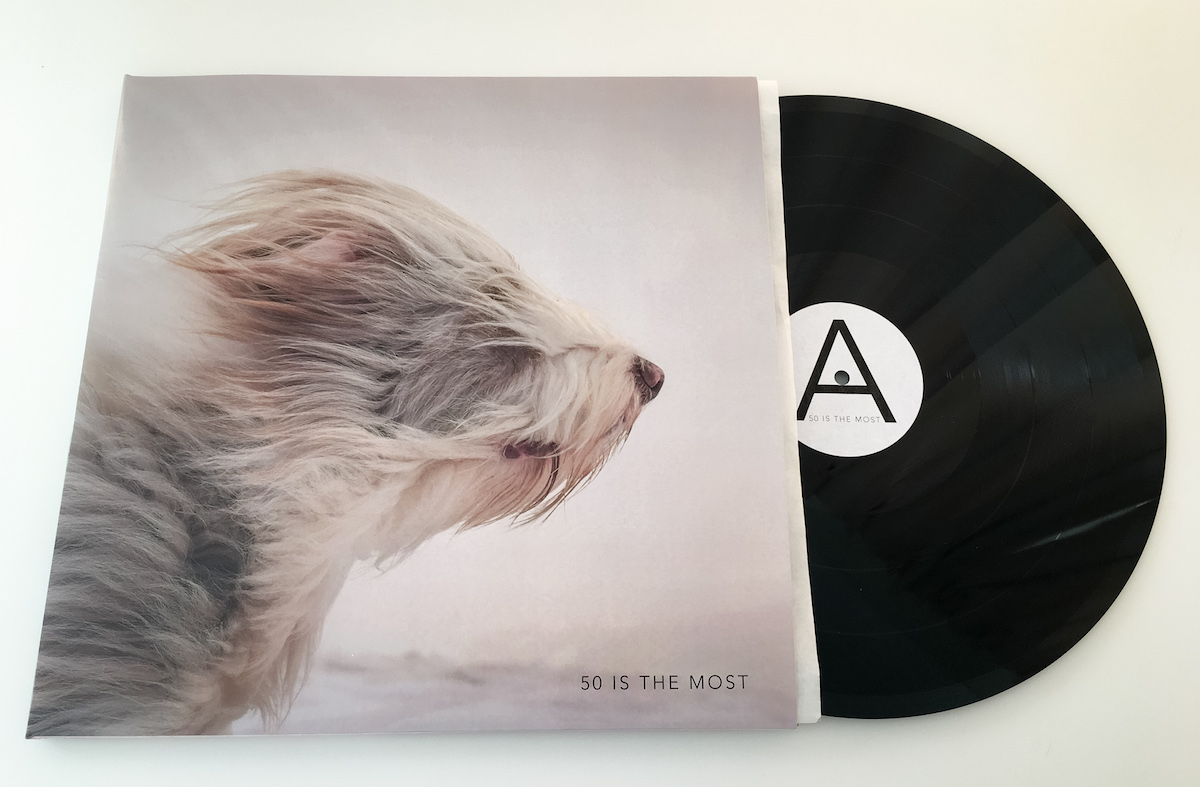
And then Michela gave me the record. I mean… oh my god. Look at this.

What Michela had done was to send those recordings to some of my favourite people. Several of my closest friends, of whom I also happen to be a genuine music fan. Her instruction to them: to remake, remix, rework, or otherwise respond to that music so that I might have some exclusive recording from them as a birthday gift. Seriously.

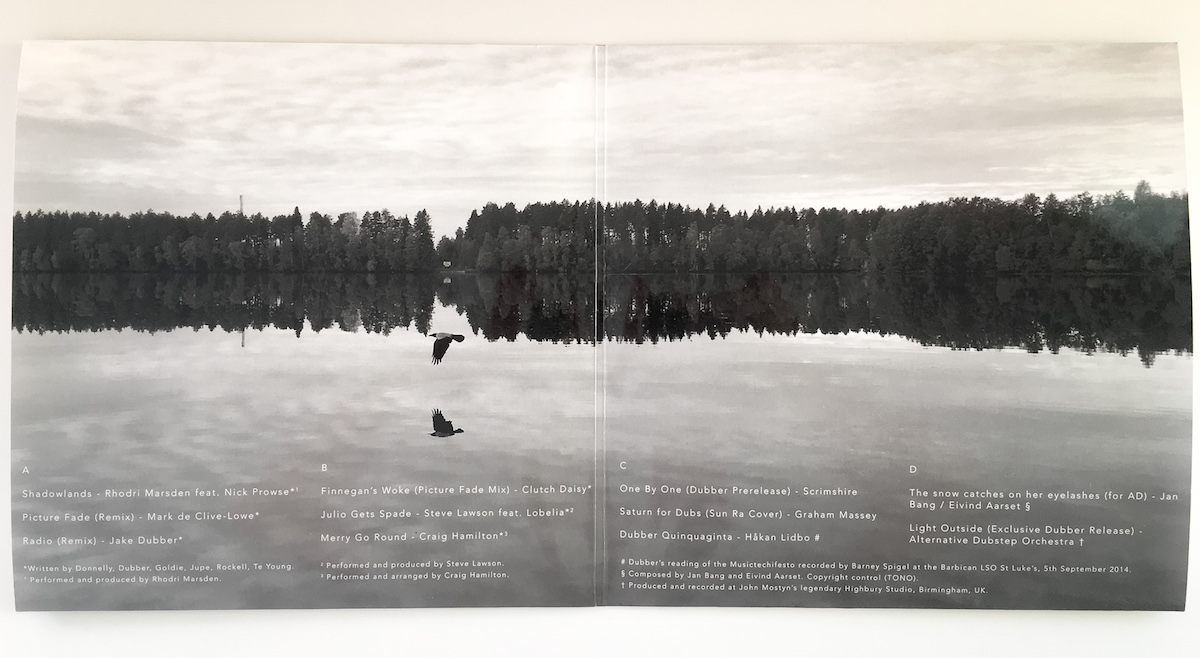
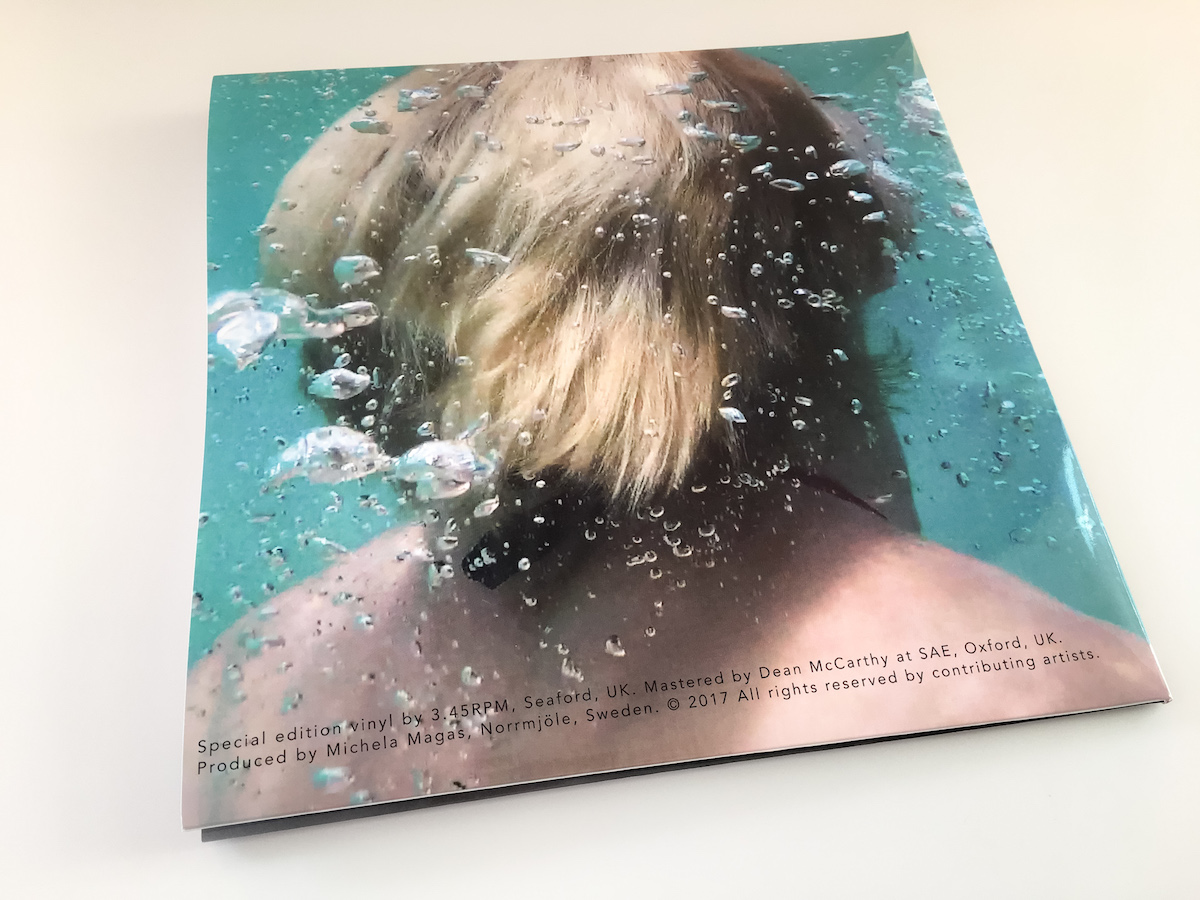
She managed the project, chased and collected the recordings, then had the vinyl record mastered and lathe cut as a one-off double LP. She created a gatefold sleeve from a few of my favourite photos that also happened to work well as album art and she arranged an incredibly high quality print.

It’s worth bearing in mind that both the pressing plant and the printing company were overbooked and unable to take the job at all and there was no way that it could possibly be completed in time. They are obviously very generous people and Michela is clearly very persuasive – because as far as she was concerned, there was not going to be an outcome in which this record did not get made.

To say I got it hot off the presses is not an overstatement. It was still warm.

The versions, remixes, exclusive recordings and interpretations on this record are unbelievably great. Every single track fills me with a dozen different emotions all at once.

The fact that it was created specifically for me on the occasion of my 50th birthday – and by a collection of my favourite musicians and people in the world (a significantly overlapping Venn diagram) is something extraordinary and breathtaking. The fact that they did so using recorded pieces of my own personal history as a leaping off point is something I have no words for.

Or a lot of words. It’s a story I’ll be telling a lot.

Thanks so much to everyone even remotely involved in this and to everyone who was there when it was given to me, who meant to be there or who have subsequently paid attention when I’ve shown it to you. You guys are amazing. I love you all.

And Michela – you’re incredible. This is everything. I love every second of this. Just so you know: I will never be able to top this, and I will never stop trying.

TRACKLIST

Side A
Shadowlands – Rhodri Marsden feat. Nic Prowse
Picture Fade (Remix) – Mark de Clive-Lowe
Radio (Remix) – Jake Dubber

Side B
Finnegan’s Woke (Picture Fade Mix) – Clutch Daisy
Julio Gets Spade – Steve Lawson feat. Lobelia
Merry Go Round – Craig Hamilton

Side C
One By One (Dubber prerelease) – Scrimshire
Saturn for Dubs (Sun Ra cover) – Graham Massey
Dubber Quinquaginta – Håkan Lidbo

Side D
The Snow Catches On Her Eyelashes (for AD) – Jan Bang / Eivind Aarset
Light Outside (Exclusive Dubber Release) – Alternative Dubstep Orchestra

The album was produced and curated by Michela Magas and mastered by Dean McCarthy.

Special thanks to Nancy Baym, James Debenham (bonus points for in-jokes about the French Revolution), Ethan Diamond and Brian Travers for the wonderful video messages.

Bonus track:

Rich Huxley was unable to contribute to the album, despite intending to. When he was asked to get involved, he was on tour in Kazakhstan with the band. Subsequently, his computer broke. But he did manage to get this video, all the way from Leeds to Auckland in the dying moments of the birthday party – and managed to squeeze in every possible reference to books, films and beverages we have shared through the medium of props and quick-change t-shirts. Fine work.

I’ve only scraped the surface here of the people who have met up with me for a coffee, given me bottles of wine and whisky, sent birthday wishes, hung out, shared food and generally made this a spectacular and incredibly humbling 50th birthday experience. Thanks to everyone – family, friends – even strangers and shop owners who have gone out of their way to make this a special experience for me. Mission accomplished.

I am now very happily 50 years old and heading back to Sweden.

These are our Shadowlands

Happy birthday, kid

I turn 50 years old today, and it seemed appropriate that I should post some thoughts about that here.

Over the past few months, I’ve read a few other people’s ‘I just turned 50’ posts for reference, and they’re packed with wisdom and lessons as you might expect, along with some political reflection and renewed vows to make a difference in the world. So I’ve been searching for my own piece of half-century insight and come up sort of blank.

Of course, I know some stuff I didn’t know before, I’ve had some experiences that have shaped my beliefs about the world, and of course I’ve travelled a whole lot, so that makes a difference. The people I’ve spent time with have had a huge impact, and the last five years have been completely transformational for me, as some who have been along for the ride have probably noticed.

But what do I have to share on this auspicious occasion? What, for instance, would I tell my teenage self if I could?

My wisdom

If I really give it a decent amount of thought, it occurs to me that my teenage self probably isn’t all that interested in what 50 year-old me has to say – and probably rightly so. He can find all this stuff out for himself as he goes along, and he can be surprised and damn grateful for it along the way if he knows what’s good for him (and mostly he won’t until much later). There are some rough times ahead for him and there are some amazing times.

Kid, you’ll go to some mindblowing places. You’ll do some things that will stay with you your whole life. People, in particular, are just incredible and oh my god, just you wait until… nah. Who am I to give spoilers?

Perhaps I’d say something about imposter syndrome. That feeling that at any moment you’re going to be found out as a fraud. He should probably find out a lot sooner than he will that this is something that everyone has to some extent. I might say “you know that thing you’re doing that you think isn’t good enough? Maybe just keep on doing it because being bad at it is just part of the process. Everyone has to do that bit”.

But so, still – even then, I wouldn’t want to divert the course of this particular personal history even by giving some sort of motivational speech about self-belief. Confidence at an earlier age might have gone badly, got me into all sorts of trouble and prevented some of the things I’m now most grateful for ever having happened. So let’s just leave things as they are and try not to change the course of history.

Rewriting history though – now that’s another matter. Perfectly happy to do that.

Teenage kicks

I read somewhere that the problem with meeting new people was having to relate your life story as if it’s some sort of coherent narrative that you endorse. I get that. There are loads of bits that don’t make any sense to me, and nor do I recommend all of them, particularly. But “in a band for a bit” is a good thing to have been, and in many ways it makes sense of a lot of what has happened subsequently.

I was in a band in the 1980s. We were… well, we were pretty terrible, actually. Not delusional pub rock covers band awful, but we were not going to be bothering the charts any time soon.

We got together, wrote some songs, rehearsed them a bit, argued endlessly about what we should be called (Step Up Jack was always the fallback position, though nobody’s actual preference), and even recorded some demos that never saw the light of day – and for good reason. We played some gigs, usually outnumbering the audience, unless you count the snoozing dog and the two old guys playing pool in the next room.

That said, my own musical trajectory was not universally shared among the group. Some of the guys do completely other things now, while some continued. There were a handful of incredibly talented members of the band, hampered by circumstance and company, but at least one of whom has since gone on to some significant popular success and even more award-winning critical acclaim. I’m not naming any names here simply because my experience with musicians has led me to understand that not everyone is super excited to be associated with their juvenelia, and whatever I happen to think of their position on that front is immaterial.

There were also one or two people in that group who were incredibly formative in how I think about the world and what is important in it. Time spent in Step Up Jack (or whatever) was time well wasted. Even if absolutely zero music had come out of that group, all the time spent would still have been 100% worth it.

But something did come out of that group. The demo tapes. I kept them.

From the archives

I have very little else from when I was younger. I was never one for archiving my personal history (something I kind of regret now, if you’re listening, teenage me), but to be able to listen to the sound of who we were 30+ years ago – earnest, mostly fairly inept… I love that I still have this stuff.

And I have to say, with the benefit of a lot of hindsight, a hefty amount of distance and a good deal of selective deafness about the calibre of performance (and perhaps after a whisky or two), I genuinely think there were actually one or two good songs in there. Performed fairly poorly, of course, and recorded to the best of our meagre budgets at the time (so, not brilliantly) – but all the same, quite good songs.

And so I bought myself a 50th birthday present. I picked my favourite of these songs, mostly written by the aforementioned talented member, but with contributions in kind from the others, and I sent it to an incredibly talented multi-instrumentalist friend of mine, Rhodri Marsden.

I commissioned him to remake this song. I wanted to hear it in its best light. Mostly, I just love the chorus. I wanted it to finally get the treatment it deserved. My simple instruction as I handed over the demo: “Make it just like this band, if this band was good.”

What Rhodri has done, with the help of a superb vocalist friend of his, Nic Prowse, is a remarkable thing that entirely exceeds my expectations. If this had sounded anything like this in 1985, I’d like to think it would have been a hit. I’m surprised by just how well this works as an actual straight-up pop song – and this was not at all what we thought we were doing.

Of course, in reality, this ended up being something only a handful of people have ever been exposed to – and fewer remember. The demo has not been played to other human beings pretty much since it was made. Nobody’s heard this song. Until now. Over 30 years later.

This is Shadowlands – the revisionist history version. Enjoy.

Secret candles will one day shine…

To the next 50

I don’t know if there’s a lesson in there. Or any sort of wisdom. Maybe it’s ‘hold on there son, perhaps you’re not as crap as you thought you were’ or ‘for god’s sake, whatever you make, preserve the masters because one day you’ll be old and sentimental and want to go back to them’. ‘Write names and dates on the back of your photos’, ‘Back up your hard drives’… sort of thing.

Or perhaps not. It probably doesn’t matter.

Either way – this makes me happy and it’s my birthday, so maybe that’s enough.

I’m 50 years old and the collected inventory of my life is, to date, way beyond what I deserve. Other than spending far too much time in front of a laptop, life is exceptional: I find myself engaged to an incredibly beautiful and off-the-charts brilliant woman; where I live is amazing (and have you seen my dogs?!); the friends I have and the people who have been with me along the way are and have been extraordinary; I’m proud of where I come from; my family is exactly what families are meant to be; and I’m very, very grateful for everything and to everyone pretty much all the time.

Can’t ask better than that.